
Top Signs You May Need a Dental Implant
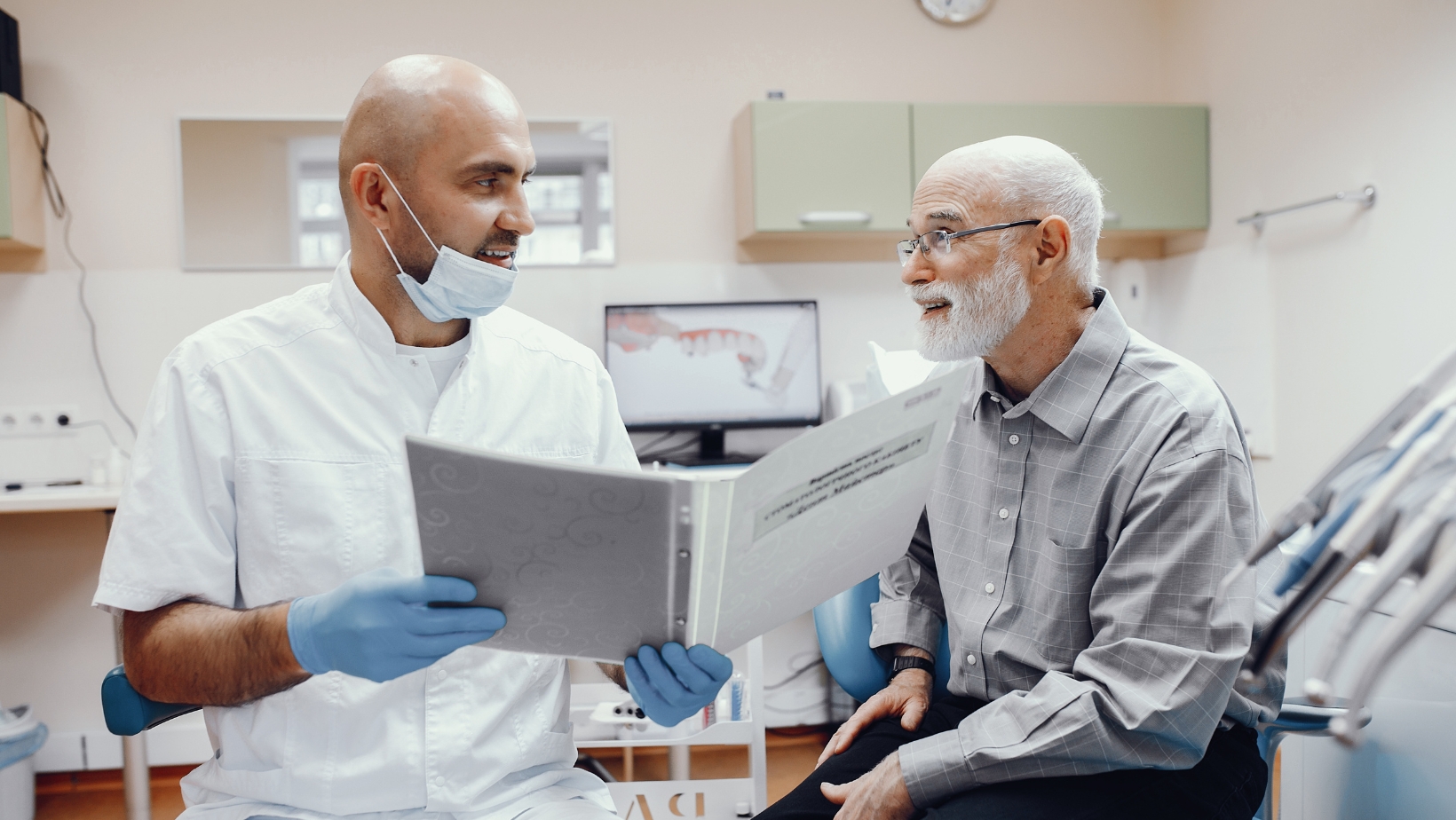

Losing a tooth can feel like more than a small change. It can affect your bite, smile, and even how you eat your favorite foods. Many people in Jacksonville deal with missing teeth every year, and one of the best ways to fix that gap is with a dental implant. These small, strong replacements act like real teeth and can last for many years when cared for properly.
If you’ve been wondering when it might be time to look into getting one, there are a few easy-to-spot signs that can help you decide. This post goes over what they are and what they mean for your smile and health.
Key Takeaways
You may need a dental implant if you have missing or badly damaged teeth, trouble chewing, jaw pain, or changes in how your teeth fit together. Implants can replace lost teeth, prevent bone loss, and make daily eating and talking easier.
What Is a Dental Implant?
A dental implant is a small metal post that goes into your jawbone. It works like the root of a real tooth. Once it heals, a crown (a tooth-shaped cap) is attached to the top. Together, they look and feel like your natural teeth.
There are a few types of dental implants, but most are made of titanium or ceramic. Dentists choose the type based on where your missing tooth is, how strong your bone is, and what works best for your smile.
A dental implant procedure usually happens in steps:
- First, your dentist checks your mouth and takes X-rays to evaluate whether you are a candidate.
- Then, the implant is placed in your jaw along with temporary teeth to wear while you heal.
- After a few months, once everything has healed, your final, permanent teeth are attached for a long-lasting, confident smile.
Dental implants are strong and long-lasting, but like any treatment, they can have problems. For example, sometimes the bone takes longer to heal, or gum care is needed around the implant. The good news is that these dental implant problems are rare and can be managed with regular checkups and good care.
If you’re worried about the affordable dental implants cost, many dental offices in Jacksonville offer payment plans or phased treatment options. This helps make implants more accessible without cutting corners on safety or quality.
Getting an implant can sound big at first, but many patients say it’s easier than they expected. Understanding your first dental visit expectations—like X-rays, scans, and gentle exams—can make it less stressful. Even if you have a fear of dentist visits, many offices use calm, step-by-step care and local numbing to help you stay relaxed.
Why Do Teeth Sometimes Need to Be Replaced?
Teeth can be lost or damaged for several reasons. Sometimes, a cavity or gum infection goes too deep to fix. Other times, an accident or injury causes a tooth to crack or fall out. Aging, grinding, and even genetics can also make teeth weaker over time.
When a tooth is lost, the space left behind can cause several problems. The other teeth may move into the open spot, which changes your bite and can make chewing harder. Over time, this can even affect how your face looks.
That’s why dentists talk about missing teeth solutions early. Replacing teeth helps keep your mouth balanced and prevents the jawbone from shrinking. Without a tooth root or implant to keep it active, the bone slowly breaks down, which can make it harder to chew and affect your appearance.
Replacing teeth also helps you avoid infections. Empty spaces can trap food, which allows bacteria to grow. Over time, that can lead to gum disease or even damage nearby teeth.
The importance of oral hygiene plays a big role here. Brushing, flossing, and seeing your dentist twice a year can prevent most tooth loss in the first place. But if you already have missing teeth, implants can help you regain both health and comfort.
Teeth replacement is not just for looks—it’s for function. When you can chew properly, you enjoy more foods and keep your digestion healthy. When you can smile easily, you feel more confident around others. Replacing teeth helps bring both back.
How Missing Teeth Can Affect Your Mouth
Missing teeth affect more than how your smile looks—they can change how your whole mouth works. When you lose a tooth, your jawbone stops getting the pressure it needs during chewing. Over time, that bone starts to shrink. This can make your cheeks look sunken and your face less full.
It also affects your bite. Other teeth start to move into the empty space, which can cause crowding or uneven wear. You may start to chew differently without realizing it. This can lead to sore muscles or even joint pain near your jaw.
Eating becomes harder too. You may avoid certain foods like apples or nuts because they’re uncomfortable to chew. Over time, this can limit what you eat and affect your nutrition.
Speech can also change slightly if you lose teeth near the front of your mouth. Air passes through those spaces differently, which can make some words harder to pronounce.
One of the best missing teeth solutions is dental implants. They help keep your bone strong, stop teeth from moving, and bring back your natural bite. They also help you chew all kinds of food again, keeping your diet healthy and varied.
It’s normal to have questions or even worries about the process. Many people with a fear of dentist appointments find comfort when they understand each step. During the first visit, your dentist will explain your options and what to expect—no rushing, no pressure. Understanding your first dental visit expectations helps make everything smoother.
The key is to act early. Waiting too long after a tooth loss makes it harder to restore your smile because the bone may shrink. By taking care of it soon, you make sure your mouth stays strong and balanced for years to come.
Top Signs You May Need a Dental Implant
Knowing when you might need a dental implant can feel a little confusing at first. Teeth change for many reasons. Some fall out from injury. Others weaken from decay or gum trouble. Sometimes a tooth breaks while you’re eating something hard, like a nut or a piece of candy. When one tooth goes missing, your whole mouth can feel different. You may notice changes in how you chew, how you speak, or how your smile looks. These changes can seem small at first, but they tend to get bigger over time.
A dental implant can help fill that gap and keep your mouth healthy. The dental implant procedure is designed to replace a lost tooth with a strong, natural-looking one. But how do you know when it’s the right time to think about getting one? Here are the top signs that many people in Jacksonville notice before deciding to move forward.
1. You Have One or More Missing Teeth
This is the clearest sign. If you have missing teeth, an implant can give you a steady, long-lasting replacement. A gap in your smile may seem like only a small change, but it affects how you chew and how your other teeth sit. When a tooth is gone, the teeth next to it start to drift into the empty space. This can change the shape of your bite and make chewing uneven. Over time, your jawbone may also get weaker in that spot because it isn’t being used the same way.
Dental implants are one of the most reliable missing teeth solutions because they act like real roots. They keep your jaw strong and stable. For many people, this helps protect their long-term oral health and makes eating more comfortable again.
2. You Have Trouble Chewing or Biting Down
When one tooth is missing or damaged, you might shift your chewing to the other side of your mouth. This creates extra pressure on those teeth. You might start feeling soreness, popping, or tired jaw muscles. You may also avoid certain foods because they’re harder to bite. Apples, chips, or crusty bread can suddenly feel like a challenge.
If chewing is becoming uncomfortable, it’s often a sign that your bite is out of balance. A dental implant can help steady your bite again. When the teeth work together the right way, eating feels smooth and natural. You can enjoy a wide range of foods, which helps your nutrition and comfort.
3. You See Your Teeth Shifting or Spreading Apart
When a tooth goes missing, the space doesn’t stay empty for long. Your other teeth start to move. They may tilt, twist, or slide into places they don’t belong. You might notice gaps that weren’t there before or feel your bite “meeting” in a new way. Sometimes the top and bottom teeth hit each other differently, which can cause wear or discomfort.
Once teeth start shifting, it becomes harder to clean between them. This can lead to cavities or gum problems in areas that used to be easy to reach. A dental implant fills the space and keeps the other teeth in place. This helps protect your alignment and lower your chances of future oral issues.
4. You Have Bone Loss in Your Jaw
Your jawbone needs pressure from chewing to stay strong. When a tooth root is gone, the bone in that area slowly shrinks. Some people notice slight changes in their smile or facial shape. Others feel like their gums are sinking in. A dentist can see bone loss on X-rays, even before you feel anything yourself.
Severe bone loss can make it harder to get certain types of dental implants. This is why dentists encourage early action. Placing an implant sooner helps protect the bone and keep it active. Even if some bone loss has already happened, there are ways to rebuild the area so you can still get a strong implant later.
5. Your Dentures or Bridges Feel Loose or Uncomfortable
If you wear dentures or a bridge and they keep shifting, rubbing, or popping out of place, it’s a sign your mouth may need a more stable option. Loose dentures can make eating and talking harder. They may also cause sore spots on your gums or make you nervous about laughing or speaking in public.
Dental implants can support dentures or bridges to make them stay in place firmly. Many patients love the difference because they can speak clearly and eat confidently again. They don’t need to worry about slipping or sliding. This can make everyday life feel much easier.
6. You Have a Tooth That Cannot Be Saved
Sometimes a tooth is too damaged to keep. Cavities can go too deep. Cracks can reach the root. A bad infection may weaken the tooth past repair. Other times, gum disease has loosened the tooth so much that it cannot hold on.
When a tooth cannot be saved, your dentist may suggest removing it and replacing it with an implant. This helps prevent future problems and protects the neighboring teeth. An implant keeps your smile complete and prevents the chain reaction that often happens after a tooth loss.
7. You Want a Long-Term Tooth Replacement
Some people choose implants because they want a strong, steady tooth replacement that feels natural. They want to eat, talk, and smile with confidence. Many patients prefer implants over removable options because implants stay in place and require simple, everyday care.
A lot of people also ask about the affordable dental implants cost. The total cost depends on the number of implants, the type of crown, and any extra steps needed before the implant is placed. Many offices in Jacksonville offer flexible plans, which help people fit implants into their budget without stress.
8. You’re Concerned About Ongoing Dental Issues
Some people deal with repeated dental trouble in the same area. Maybe a crown breaks over and over. Maybe a bridge doesn’t feel strong anymore. Maybe gum problems keep coming back around a damaged tooth. Sometimes the best way to stop the cycle is to replace the failing tooth with a stable implant.
If you’ve had repeated dental implants problems in the past or issues with other types of restorations, your dentist can help you understand what’s going on and how an implant might help. A careful exam can show the best way forward.
9. You Want Better Comfort and Confidence
Many people choose implants because they want their smile to feel natural again. They want to talk without worrying about loose teeth. They want to smile in family photos. They want to enjoy meals without thinking about biting down the wrong way. These daily benefits matter.
A dental implant works with your jaw in a stable, predictable way. It doesn’t come out. It doesn’t click. It doesn’t move when you talk. For many people, this brings back comfort and confidence that they haven’t felt in years.
10. You’re Ready for a Fresh Start With Your Oral Health
A missing tooth can make you feel like your mouth is “off track.” Getting an implant can help bring things back into balance. Many people use it as a way to start fresh. They begin brushing more carefully, flossing regularly, and keeping up with checkups. A strong, healthy smile often leads to better habits all around.
If you notice any of these signs, it might be time to talk with a dentist in Jacksonville about your options. A dental implant can protect your mouth, restore your bite, and give you confidence in your smile again.
Conclusion
Missing teeth can affect your health, confidence, and comfort—but dental implants can bring your smile back. They’re strong, natural-looking, and help protect your bone and bite. If you’ve noticed gaps, loose dentures, or trouble chewing, now’s a great time to ask your dentist about your options.
At First Coast Dental Center, we’re here in Jacksonville to help you feel confident about your smile again. Schedule your visit today and see how simple and comfortable dental implants can be!
Frequently Asked Questions
How long do dental implants last?
Most dental implants last 15–25 years or longer with good care and regular dental visits.
Are dental implants safe for kids?
Implants are usually for adults once jaw growth is complete, but your dentist can suggest other options for kids.
Does getting an implant hurt?
Most people feel little to no pain during the procedure thanks to local numbing and gentle techniques.
Can I get implants if I smoke?
Smoking can slow healing and raise risks, but your dentist can discuss safer options or support to quit before treatment.
How do I take care of a dental implant?
Brush and floss daily, visit your dentist regularly, and keep your gums clean to help your implant last for years.